

Title: The Power of Less: Why Minimalist Package Design is Taking Over the Shelves
In a world overwhelmed by constant noise, clutter, and advertising, minimalist package design offers a breath of fresh air. Clean lines, ample white space, and purposeful typography are more than just aesthetic choices—they’re strategic design decisions that are reshaping the future of branding and consumer experience.
What is Minimalist Package Design?
Minimalist package design is about doing more with less. It emphasizes simplicity, clarity, and intentionality. Instead of cramming every inch of space with graphics and slogans, it uses only the most essential elements to communicate the brand’s message.
This doesn’t mean boring or plain—it means purposeful. Every font, color, shape, and layout choice is made to enhance usability, recognition, and emotional connection.
Why Minimalism Works in Packaging
1. Instant Recognition
With limited distractions, minimalist designs make brand logos, names, or key messages stand out. Think of iconic brands like Apple or Muji—their packaging speaks volumes without saying much at all.
2. Trust Through Transparency
Stripped-down designs give a feeling of honesty. Consumers often associate minimalism with authenticity, quality, and sophistication. This is especially important for health, beauty, eco-friendly, and premium product lines.
3. Standout Shelf Presence
In a sea of bright colors and over-designed packaging, minimalist products draw attention precisely because they break the pattern. Simplicity becomes a bold statement in a crowded market.
4. Eco-Friendly Appeal
Many minimalist designs align with sustainability—using fewer materials, monochromatic or recycled inks, and eco-conscious substrates. Minimalism and minimal waste go hand-in-hand, making it appealing to environmentally aware consumers.
Key Elements of Minimalist Packaging
- Neutral color palettes: Whites, blacks, earth tones, or a single bold color.
- Simple typography: Sans-serif fonts, clear hierarchy, and balanced spacing.
- Negative space: Generous use of empty space to avoid visual clutter.
- Subtle textures or finishes: Matte finishes, embossing, or foil stamping for elegance without overdoing it.
- Functional structure: Easy-to-open, well-designed shapes that match the brand’s ethos.
Is Minimalism Right for Every Brand?
Not necessarily. Minimalist package design is best for brands that want to project modernity, elegance, calm, and clarity. It's especially effective in markets like skincare, tech, luxury goods, artisanal food, and wellness.
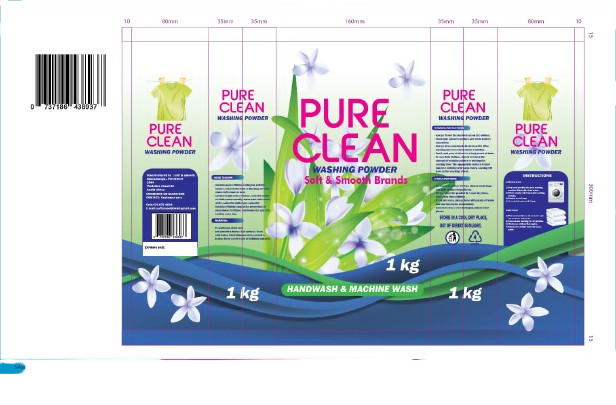
However, for brands targeting young children, value-seeking customers, or vibrant, high-energy audiences, a more colorful or illustrative style might perform better.
Final Thoughts
Minimalist packaging is more than a design trend—it’s a reflection of modern consumer values. It communicates confidence, intentionality, and premium quality, all while allowing your product to breathe. In an age where less is truly more, minimalism might be the most powerful tool in your packaging strategy.
